
Next-Gen Material Testing Technologies in Construction
Discover how cutting-edge material testing technologies are revolutionizing the construction industry.
From utilizing drones for precise material inspections to incorporating 3D printing and artificial intelligence applications universal testing machine, the advancements in testing methods are reshaping the way structures are built.
Explore the benefits and implications of these next-gen technologies in ensuring quality, efficiency, and safety in construction projects.
Stay ahead of the curve and delve into the world of innovative material testing solutions for the future of construction.
Drones for Material Inspection
Drones are increasingly utilized in the construction industry for efficient and accurate material inspection on and around structures dynamic universal testing machine. These unmanned aerial vehicles provide construction teams with a unique vantage point, allowing them to survey materials such as concrete, steel, and insulation quickly and accurately. By using drones, construction professionals can identify potential issues, such as cracks or defects, before they escalate, leading to cost savings and improved safety on-site.
Drones equipped with high-resolution cameras and thermal imaging technology can capture detailed images and data, providing valuable insights into the condition of materials. This advanced approach to material inspection not only streamlines the construction process but also ensures that structures are built to the highest standards, meeting the expectations of clients who value precision and efficiency.
3D Printing in Testing
The utilization of 3D printing technology in material testing within the construction industry is revolutionizing traditional testing methods. This cutting-edge approach allows for the rapid creation of intricate test specimens with complex geometries that were previously challenging to produce.
3D printing enables engineers and researchers to customize samples based on specific project requirements, providing a higher level of flexibility and accuracy in testing. Moreover, this technology facilitates the testing of new materials and designs in a more cost-effective and time-efficient manner.
Artificial Intelligence Applications
Utilizing artificial intelligence for analyzing test results enhances the efficiency and accuracy of material testing processes in construction, complementing the advancements made through 3D printing technology. AI applications can swiftly process vast amounts of data generated from material tests, identifying patterns, anomalies, and predicting potential failures with a high degree of accuracy. This capability allows construction companies to make informed decisions quickly, leading to improved project timelines and cost-effectiveness.

Robotic Testing Advancements
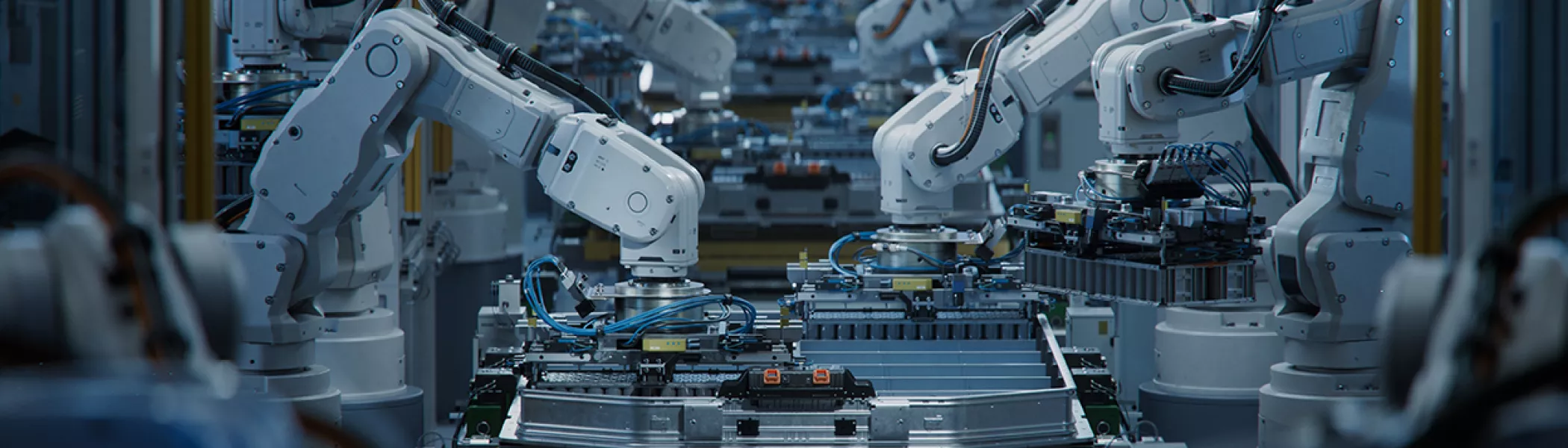
Advancing material testing in construction, robotic technologies revolutionize the efficiency and precision of testing processes. Robots equipped with advanced sensors and AI algorithms can perform a wide range of tests with minimal human intervention. These robotic systems can conduct tests in hazardous or hard-to-reach areas, enhancing safety on construction sites.
By automating repetitive tasks, such as sample collection and analysis, robots streamline the testing workflow, allowing engineers and researchers to focus on data interpretation and decision-making. Additionally, robotic testing advancements enable continuous monitoring of structural health, detecting potential issues in real-time and preventing costly failures.
Embracing robotic technologies in material testing not only accelerates project timelines but also ensures the integrity and quality of construction projects.
Benefits of Next-Gen Technologies
By integrating cutting-edge sensors, next-generation material testing technologies in construction offer significant advantages in enhancing project efficiency and ensuring structural integrity.
These technologies provide real-time data on material properties, allowing for more accurate assessments of structural health and performance.
With the ability to detect potential issues early on, construction teams can implement timely interventions, reducing the risk of costly repairs and project delays.
Moreover, the use of advanced sensors enables continuous monitoring throughout the construction process, promoting safety and quality control.
Conclusion
In conclusion, the adoption of next-generation material testing technologies in construction has shown significant advancements in efficiency and accuracy. Drones are being used for material inspection. 3D printing is revolutionizing testing processes. Artificial intelligence is enhancing data analysis. Robotic testing is improving precision.
These technologies offer numerous benefits, including cost savings, faster testing times, and improved safety measures. Overall, the integration of these innovative tools is transforming the construction industry and setting new standards for material testing practices.